I architect enterprise AI systems and build independent products. Coding agents help me move quickly; I own the specs, data boundaries, evaluations, and failure paths.
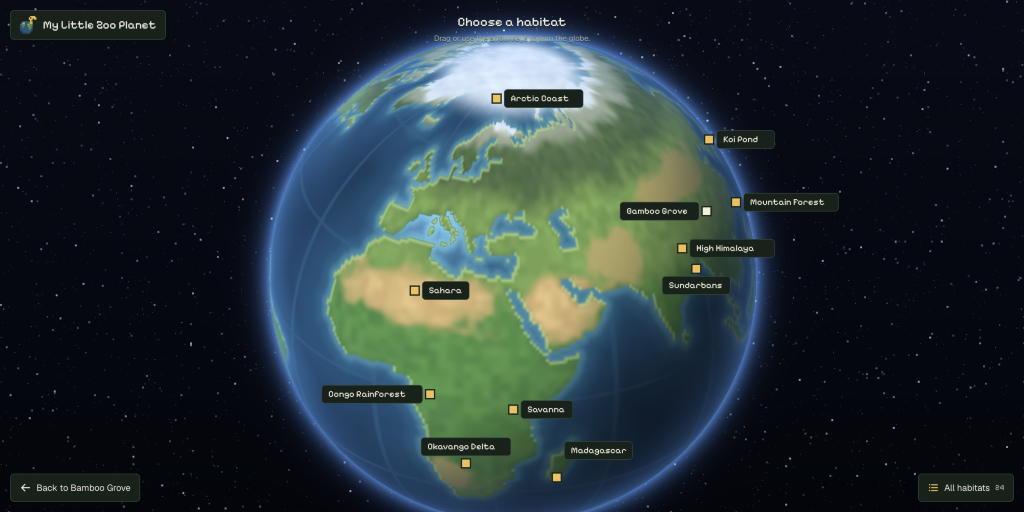
An interactive pixel-art planetarium and educational wildlife web app featuring 24 habitats across 7 continents and 71+ animals. Built with a Three.js 3D globe, animated Canvas 2D habitats, Kokoro TTS narration, WCAG AA accessibility, and a local-first, zero-tracking architecture.
↗05 / Demo · Race replay, telemetry, and pit-wall agent
SimGent (F1 Simgent)
An open-source F1 telemetry and 2D race-replay cockpit with an AI pit-wall race engineer and a Monte Carlo what-if strategy simulator covering 1950–2026. It runs on Google Cloud Run's free tier, and includes a native MCP server. MIT licensed.
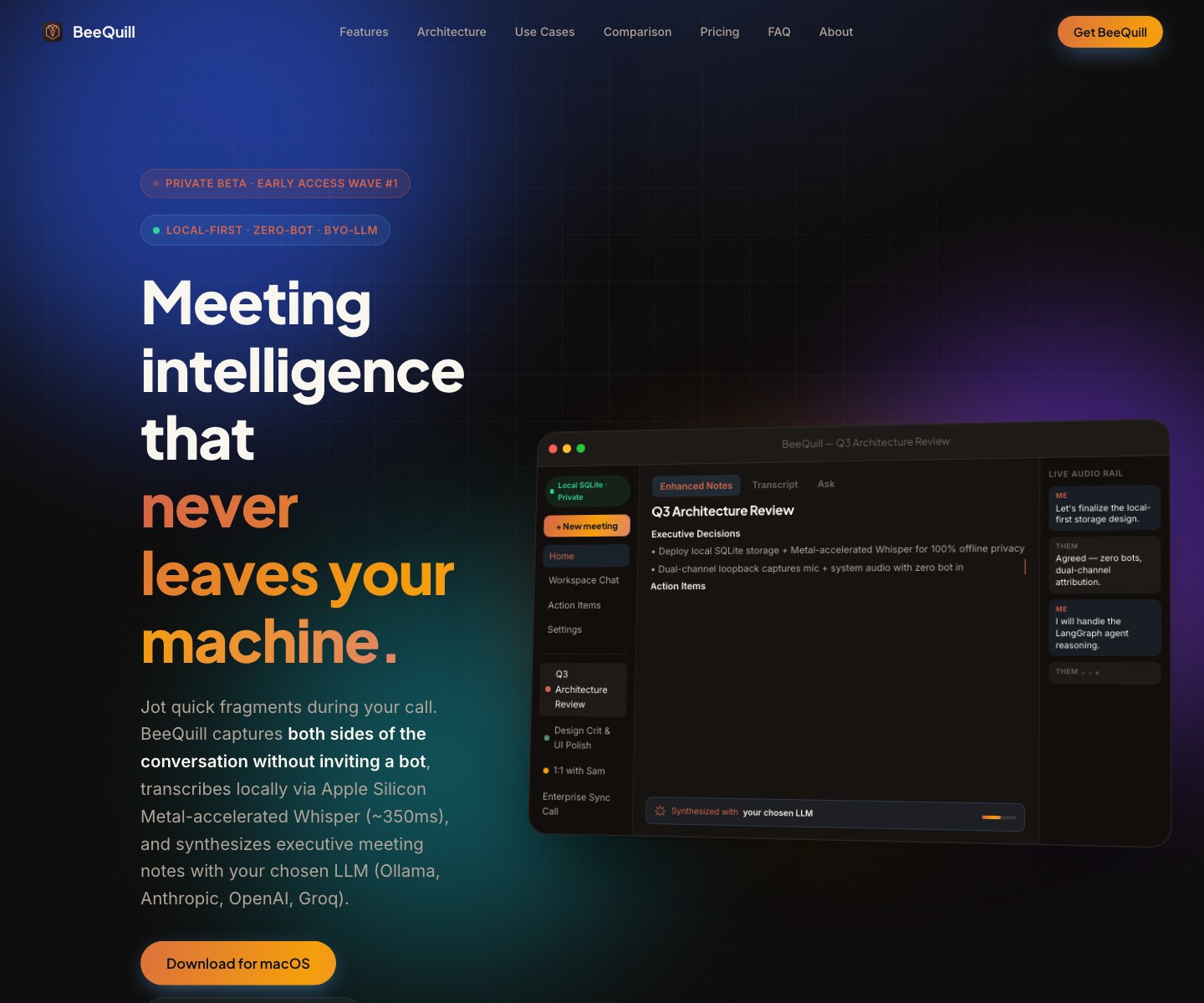
An early macOS app for bot-free meeting capture. It transcribes audio locally and stores notes in SQLite, with an offline workflow using Whisper and Ollama. Public downloads are still in development.
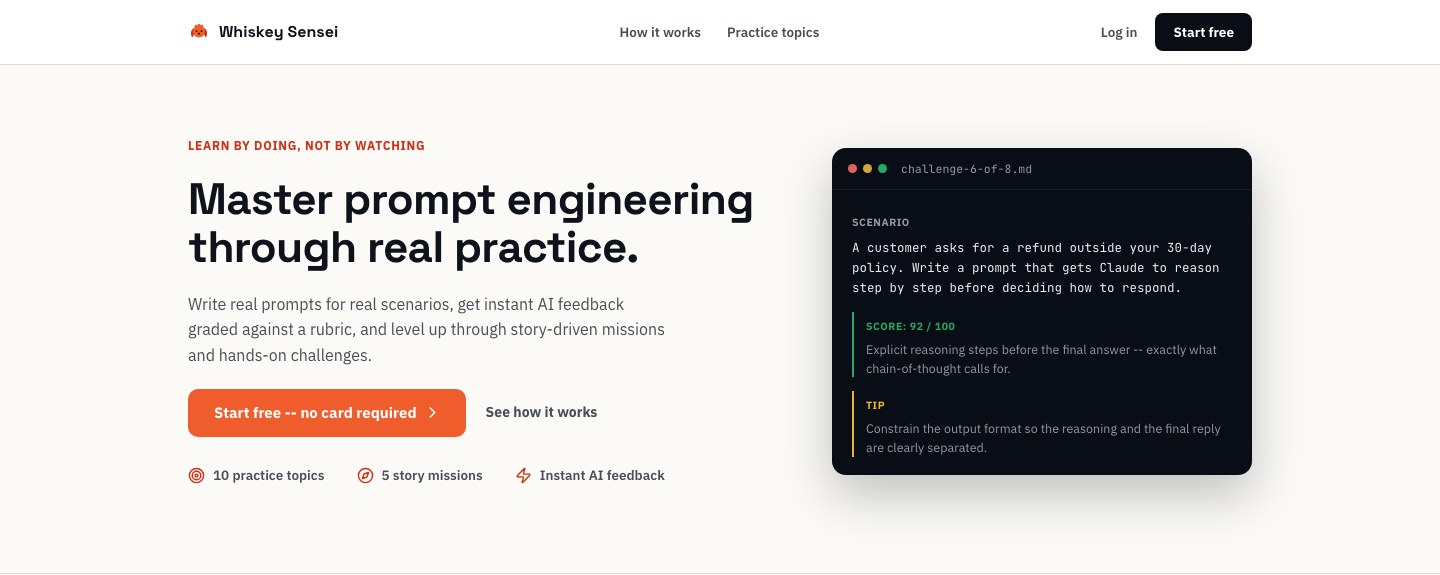
An online learning product for prompt engineering and agent systems. I’m building hands-on lessons with rubric-guided AI feedback. Public signup is still in development.
An installable skill for coding agents that scans repositories locally. It checks 44 secret and vulnerability patterns, redacts findings before review, and exports Markdown, JSON, or SARIF.
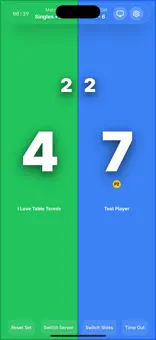
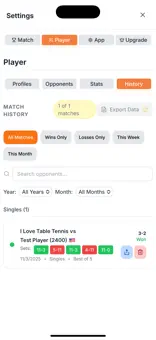
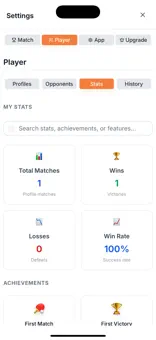
Built for my child, who plays table tennis, to score matches and follow progress on iOS. I shipped it to the App Store using React, TypeScript, Firebase, and Capacitor for the iOS build, with Cursor supporting development.
I use coding harnesses to build applications and agents from clear specs, then check the data, tools, evaluations, and failure paths around them.
✳
Make every boundary explicit.
I own the architecture decisions: what an agent may read or change, how its output is checked, and how the workflow recovers when a dependency fails. Coding agents help implement and test those decisions.
How I build01 — 03
↳
Define the user task and what success looks like.
Explore the steps ↑
01
Specify the job
Define the user task and acceptance criteria before choosing an agent or model.
02
Constrain access
Map data flows, limit tool permissions, and add approval before consequential actions.
03
Test the failure paths
Evaluate outputs, make errors visible, and preserve work for retry when services fail.
I’m Tony. I’m most at home connecting a messy problem to a system that makes someone’s day a little easier.
My personal projects follow that curiosity: a better way to remember meetings, tools for reviewing code, and a scorekeeper for the sport my family loves. This site is about those independent projects, not my employment.
I write the specs and direct coding agents through implementation. I review the architecture, test the edge cases, and keep refining what fails.

 01 / Live web app · mylittlezooplanet.org